
Service overview
About Fitness and Wellness App Development
Understand the business value, delivery considerations and technical decisions involved in planning this service.
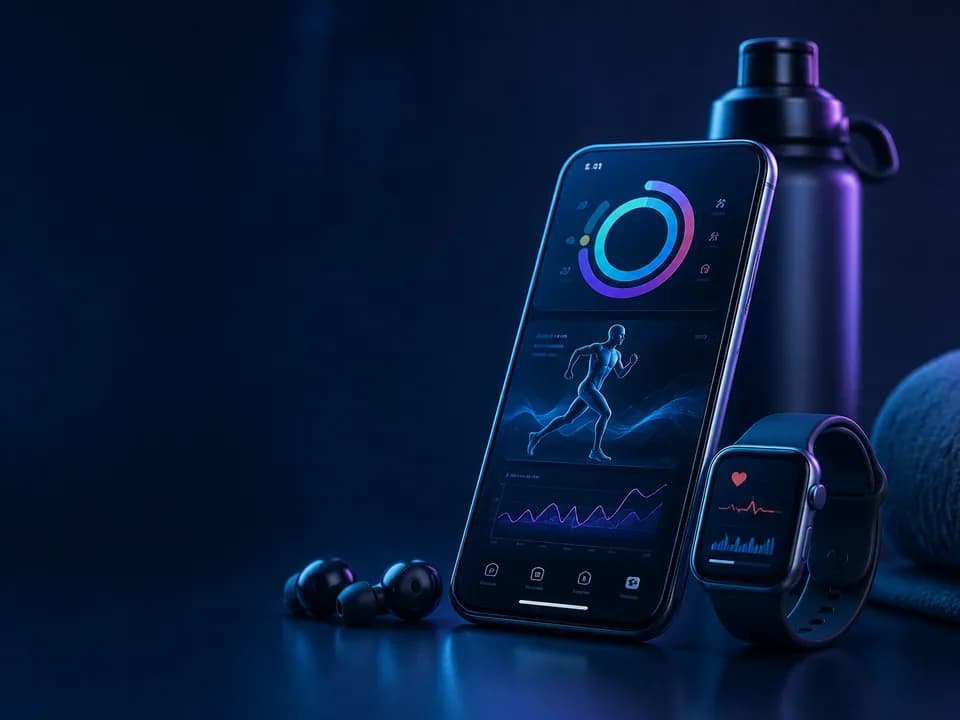
Fitness and Wellness App Development creates mobile products that help people discover, understand and follow approved exercise, activity, recovery, mindfulness or general wellbeing experiences. A product may connect members with coaches, deliver workout programs, schedule studio classes, log habits, read permitted wearable data, manage subscriptions and support a moderated community. A dependable solution is more than a library of exercise videos: it needs clear content ownership, progression rules, permissions, safety boundaries, accessible instruction, trustworthy synchronization and continuing operations.
Skillonit's Fitness and Wellness App Development services can cover product discovery, member and coach journeys, workout and program modelling, content management, class booking, habit and activity tracking, Apple HealthKit and Android Health Connect integration, wearable companion experiences, subscriptions, challenges, communities, notifications, privacy, accessibility, offline operation, analytics, testing, release and maintenance. The exact scope depends on audience, training model, markets, devices, data types, claims, payment model and whether any feature crosses from general wellness into regulated medical functionality.
This page does not offer medical, diagnostic, treatment or emergency advice. It does not promise weight loss, strength gain, injury prevention, disease improvement, mental-health outcomes, member retention, subscription revenue, store approval, compliance certification, search ranking or AI citation. Exercise can involve risk, and individual suitability depends on circumstances outside software. Hypothetical scenarios below illustrate product requirements; they are not Skillonit case studies or outcome evidence.
Direct answer
Fitness and Wellness App Development is the design and engineering of a digital product through which a person can access fitness or wellbeing content, plan and record activities, book services, communicate with an approved coach, connect supported data sources and manage a membership or subscription. The service can also include coach, studio and administrator tools for publishing programs, scheduling sessions, managing members, moderating communities and reviewing consented progress information.
The buyer outcome is a coherent member journey backed by reliable content, entitlement, data and operational controls. A completed workout should reference the exact program version and source. A wearable step count should preserve provenance and avoid double counting. A booked class should be confirmed by the scheduling system. A coach should see only the information the member and role permit. A subscription entitlement should come from a verified store or billing event rather than a client-side success message.
The first architectural question is what the product is allowed to claim and do. General workout guidance, habit support and class booking can remain wellness functionality when presented appropriately. A feature that diagnoses, treats, triages or makes high-impact clinical recommendations can introduce medical-device, professional-practice or other regulatory obligations. That boundary must be reviewed before content, algorithms and marketing are implemented.
Member, coach and administrator journeys
Member onboarding and suitability
Onboarding should establish the person's goals, experience, preferences, available equipment, schedule, accessibility needs and relevant self-declared constraints without collecting excessive health data. A user might choose general aims such as mobility, consistency, strength practice, outdoor activity or stress-management routines. The app should not infer a diagnosis from those choices.
Readiness or safety questionnaires can support routing, but they must use professionally reviewed wording and response handling. A disclaimer alone is not a safety system. If an answer indicates that professional clearance may be appropriate, the application can pause a relevant feature and direct the user to qualified support. It should not provide a diagnosis or claim that completing a form makes exercise safe.
Users need a path to skip optional questions and modify goals later. Accessibility, language and cultural context affect exercise description and imagery. Age gates, guardian relationships or child-focused content require separate safeguarding and consent design.
Daily member experience
A member may open the app to see today's program, book a class, continue a series, record an activity, review a habit, message a coach or download content. The home experience should prioritize relevant actions without turning a missed day into shame. Rest, modification and recovery can be valid states rather than failures.
During a workout, the app may display movement name, demonstration, written instruction, sets, repetitions, duration, rest, intensity cue and alternatives. Controls should support pause, skip, substitute and stop. The screen must stay legible at a distance and work with audio, captions or screen readers where appropriate. Device lock and interruption behavior should preserve the session without incorrectly adding active time.
After a session, the user can confirm actual work, note perceived effort or discomfort, and save a completion record. The app should distinguish planned from performed activity. A timer reaching zero is not always proof that the exercise occurred. A member should be able to correct or delete an accidental log according to policy.
Coach and trainer workflow
A coach may create program templates, assign plans, review member-authorized progress, adjust future sessions, publish comments, schedule calls and manage follow-up. Role and relationship matter: a coach should not browse every user simply because they work for the platform. The system needs active coach-member assignments, consent and audit.
Program editing requires versioning. If a coach changes week three, the platform should know which members received the old or new version. Completed sessions remain attached to their historic prescription. Changes to movement instructions or safety notices may require a content-wide update and member notification.
Coach communication is not automatically clinical care. Messaging can support motivation and clarification, while urgent symptoms, injury or mental-health crisis require an appropriate external pathway. The app should not market general coaches as licensed clinicians unless verified identity, scope and market rules support it.
Studio and gym operations
A studio administrator manages locations, rooms, class types, instructors, capacity, waitlists, cancellation policy, memberships and access status. A class schedule needs local timezone and daylight-saving handling. A booking should not be described as confirmed until the authoritative capacity transaction succeeds.
Check-in can use a code, staff action or other approved mechanism. Device location may be unnecessary and intrusive. Attendance records can affect credits or payroll and therefore need correction and dispute handling. The member app should show cancellation and waitlist state clearly.
Content and community administration
Content teams manage movement libraries, programs, videos, articles, captions, translations, tags and review status. Every item should have an owner, version, audience, equipment, difficulty and safety notes where applicable. Publishing workflows can include professional, legal and accessibility review based on risk.
Community administrators manage guidelines, reports, blocks, challenge content and moderation. Health, body image and eating-related communities can expose vulnerable users. Safety policy, human review and escalation are operational requirements, not optional settings.
Fitness and wellness app use cases
The following are illustrative product scenarios, not claims about Skillonit deliveries or results.
Gym membership application
A member can manage a plan, view club information, book classes, access general workouts, receive operational notices and maintain payment entitlement. Integration with club management or access control can reduce duplication. Door entry should not depend solely on a screenshot of a membership card; current entitlement is verified according to the facility process.
Trainer-led coaching platform
Independent or organization-employed coaches can onboard clients, assign programs, review completed sessions and communicate. Multi-tenant boundaries protect one coach's clients and content from another. Commercial features may include coach subscription, member subscription or platform commission, each with different billing and refund rules.
Home workout subscription
Members browse programs and video sessions by time, equipment, style and experience. Offline downloads can support travel or weak connectivity. The product needs content entitlements, download expiry, caption and audio alternatives, progress synchronization and a truthful subscription state. Video viewing is not equivalent to exercise completion.
Corporate wellness program
Employees may join optional challenges, access wellbeing content and view aggregate program information. Employers should not receive individual health or fitness details merely because they fund the program. Participation should not become covert performance monitoring. Small-group aggregation, voluntary participation and alternative access need legal and workforce review.
Mindfulness and habit product
A user follows guided breathing, meditation, journaling or habit routines. Notifications should support user-chosen intent rather than exploit guilt or anxiety. Mental-health claims and crisis handling require care. General mindfulness content must not be presented as treatment for a disorder unless the product has appropriate clinical and regulatory governance.
Outdoor activity companion
A runner, cyclist or walker records a route, duration and selected metrics. GPS and wearable signals can be missing or wrong. The app should allow pause, correction and deletion and explain when background permission is active. It should not present a consumer route or heart-rate value as emergency or diagnostic monitoring.
Community challenge product
Members join an opt-in step, activity or consistency challenge. Ranking rules should preserve provenance, handle duplicates and define manual entries. Public leaderboards can discourage or expose users and should support pseudonyms, private groups or participation without ranking. Anti-cheat signals are imperfect and require appeal.
Workout, movement and program data model
A movement record can include name, description, media, equipment, setup, steps, common errors, modifications, contraindication notes from qualified reviewers, accessibility alternatives, taxonomy, locale and version. The platform should avoid copying unlicensed exercise media or asserting universal suitability.
A workout is an ordered or rule-based set of components. Components can be repetitions, duration, distance, interval, circuit, rest or coach choice. Units are explicit. An instruction such as “3 x 10” needs context: sides, load, tempo and rest can matter. The model should support substitution without rewriting history.
A program sequences workouts over days or phases and can include progression, deload, recovery and optional sessions. A template differs from a member assignment. The assignment has start date, timezone, schedule, coach, member preferences and version. The system should not automatically escalate difficulty from completion alone without a professionally reviewed rule and an opt-out.
Planned, started, paused, completed, skipped and edited are different states. Completion can include actual values and source. A wearable-recorded activity and an app workout may refer to the same real-world session; deduplication should not simply add both. Data provenance and correlation are central.
Content relationships enable a movement change to identify affected programs. Retired content should remain resolvable for historic records while no longer appearing for new assignments. Safety corrections may require re-review and user communication.
Scheduling, classes and service delivery
Class discovery can filter location, format, instructor, time, accessibility, intensity and capacity. Booking is a transaction with idempotency. Two users cannot receive the last place because their screens showed it simultaneously. Waitlist promotion, expiry and acceptance require clear state.
Cancellation policies vary by plan, class and market. The app should display current policy before confirmation and record which version applied. Credit or refund calculation remains in the approved billing or membership system. Push notification is not guaranteed delivery of a schedule change, so important operations may use additional channels.
Personal sessions can connect member and coach availability, timezone, buffer, reschedule and meeting links. Video coaching is a separate real-time capability with camera, recording and consent boundaries. The fitness app may integrate an approved video provider rather than build a full calling platform inside the scheduling module.
Habits, activity and progress design
A habit is a user-defined or program-related intention such as stretching, taking a break, preparing equipment or completing a mindfulness session. The app can support reminders, check-ins and reflection without representing a streak as health improvement. Streak loss can be demotivating or inappropriate during illness, travel or rest; flexible goals and recovery are preferable to punitive design.
Activity data may include steps, active time, distance, workouts, energy estimates or other platform-supported records. Each metric has a source, unit, time range, provenance and limitations. Energy expenditure and wearable estimates are not exact measurements. The interface should avoid false precision and explain when data is missing, delayed or imported from another source.
Progress can be presented as plan adherence, member-entered measures, workout records or trends. It should not imply causation. A strength log can show load history but cannot prove physiological adaptation. Before-and-after photography and body measurements are sensitive and can create body-image risk; they require private defaults, deletion, strict access and thoughtful alternatives.
Coach dashboards should display only consented, role-appropriate information needed for coaching. A dashboard should not convert every wearable signal into an alert. Thresholds and recommendations require professional validation, user context and a clear response path. General coaches should not be asked to interpret medical data outside their scope.
Wearables, HealthKit and Health Connect boundaries
Apple HealthKit and Android Health Connect can provide permission-controlled exchange of supported health and fitness records. They are not ordinary analytics databases. The application requests only specific data types necessary for a visible user benefit, explains read and write purposes, and continues gracefully when permission is denied or revoked.
HealthKit uses a user-controlled health store and can merge data from multiple sources. Read denial can appear as absence of data in important API contexts, so an app must not infer that “no records” means the person performed no activity. Write authorization and read availability are different. Data may be edited or deleted outside the app and queries must handle those changes.
Health Connect structures records such as exercise sessions and activity metrics and provides permission controls. Availability, feature support and permission behavior depend on Android version and installed components. The app checks feature availability and granted data types rather than assuming every compatible phone has identical capability.
Read and write permissions should be requested separately per necessary type and at the point of value. A step challenge does not justify access to blood glucose, reproductive or medical records. A workout writer should use correct start, end, timezone, device, source and identifiers so it does not duplicate sessions on retry.
Data provenance is preserved. A wearable, phone, manual entry and app session can overlap. Deduplication may use stable identifiers, source priority and time correlation, but should not delete records it does not own. Aggregates should respect platform semantics. A raw sum of records from multiple devices can double count the same activity.
Writing false or estimated data as measured fact can damage the user's health record. The app should clearly classify user-entered, device-observed and algorithm-derived values and write only supported types under current platform policy. Derived scores can remain in the app if no standard and justified health record type exists.
Wearable companion apps add device lifecycle, sensor availability, workout sessions, sync, battery and independent UI. Heart rate can be delayed, absent or affected by fit and movement. The app should not claim medical monitoring or emergency detection without an explicitly reviewed, regulated design.
Exercise routes and location histories need separate permission and retention. A route can reveal home and routines. Sharing defaults should be private, with map trimming or coarse start and end where appropriate. A public challenge should not automatically publish routes.
Subscription, commerce and entitlement
Business models may include free content, paid subscription, gym membership, coach plan, class credit, one-time program or organization-sponsored access. Entitlement should be modeled independently from a payment-screen result. The server reconciles App Store, Google Play, web billing or membership events and grants the correct product scope.
Digital features sold in a mobile app can be subject to current platform payment rules. Physical classes, in-person coaching and digital content may be treated differently. The implementation team should review current rules and approved legal advice rather than design around an assumption. Store review and policy interpretation are outside development control.
Subscription states include trial, active, grace, pending, paused where supported, cancelled, expired, refunded and revoked. Restoration and account linking matter when a user changes device. A local receipt callback should not grant permanent access without verified reconciliation.
Pricing, renewal, trial and cancellation copy must be accurate and localized. The app should not use dark patterns or make cancellation harder than platform and law allow. A cancelled subscription can retain access through the paid term; the UI should explain the actual effective date.
Studio credits and bookings need ledgers, expiry and adjustment audit. A class cancellation can return a credit through an idempotent transaction. Coach payout or marketplace commission is an additional financial system with identity, tax and dispute responsibilities, not a simple balance field.
Communities, challenges and moderation
A wellness community can include groups, posts, comments, reactions, coach announcements and private challenges. Audience, discovery and visibility are explicit. Users can block and report. Private groups should not appear in public search or expose member lists through predictable identifiers.
Challenges define eligible activity, source, period, timezone, manual-entry rule, privacy and tie behavior. A leaderboard should not encourage unsafe exercise volume or disclose sensitive data. Alternatives can include personal milestones, team totals, completion bands or non-ranked participation.
Anti-cheat measures use provenance, rate checks and anomaly review, but wearables and sync can legitimately create unusual values. Automatic disqualification needs a correction or appeal route. Fraud controls should not be marketed as perfectly accurate.
Moderation policy should address harassment, unsafe exercise advice, eating-disorder content, body shaming, self-harm, sexual content, spam and impersonation as relevant. Automated classifiers can support triage but introduce false positives and privacy concerns. Trained human review, escalation and response times are operational commitments the buyer must own.
Coach or expert badges require identity and credential verification appropriate to the claim and market. The platform should not imply licensure from a self-selected profile. Credential expiry, disciplinary changes and jurisdiction scope require continuing governance if professional status is shown.
Notifications and engagement ethics
Notifications can remind a user about a chosen class, workout, coach message, subscription event or downloaded-content expiry. They should respect timezone, quiet hours, accessibility and user controls. A reminder can be supportive without exploiting anxiety, guilt, body image or fear.
Transactional and promotional messages remain distinct. Health or fitness details should not appear on a lock screen by default. A neutral message can deep-link to an authenticated screen. Push delivery is not guaranteed, so class cancellation or billing events may need additional approved channels.
Engagement metrics should not reward compulsive use over wellbeing. Session duration can be undesirable if a member only needed a short timer. Product success can focus on task completion, content accessibility, booking reliability and user-chosen consistency while avoiding claims that an app event proves wellness improvement.
Architecture for a fitness and wellness platform
A modular architecture separates member experience, coach and administration tools, content, program assignment, activity, scheduling, commerce, community, integrations and analytics. The mobile client presents workouts and manages limited offline state. APIs enforce identity, entitlement and business rules. Source systems retain authoritative memberships, payments or bookings where applicable.
The domain model can separate content template, published version, program template, member assignment, planned session, performed session and imported activity. This prevents a coach edit from rewriting history. Events can update progress, entitlements or notifications, while each consumer remains idempotent.
Media delivery uses an approved content pipeline, adaptive streaming and downloadable assets where rights permit. Videos, images, captions and transcripts have versions and locales. Signed URLs or tokenized delivery reduce casual exposure but do not make downloadable media impossible to capture. Content rights and takedown processes remain necessary.
The backend may include an API gateway, mobile backend-for-frontend, identity, relational transactional store, object storage, search, job queues, notifications, payment webhooks and observability. A separate analytics pipeline receives minimized events. Sensitive wellness records should not flow through general marketing tools without a lawful, explicit and platform-compliant purpose.
Native iOS and Android apps can integrate directly with HealthKit, Health Connect, wearable and media frameworks. Flutter or React Native can share product code when native plugins support required health data, workout sessions, background behavior and accessibility. A physical-device proof should test permission changes, data provenance, wearable sync and offline sessions before framework commitment.
Multi-tenant gym or coach platforms require organization, brand, location, content and member isolation. A theme flag is not tenancy. Queries and storage enforce tenant relationships server-side. Cross-coach member sharing is a consented workflow, not an admin shortcut.
Offline behavior and synchronization
Offline support can include downloaded workouts, program schedule, movement instructions, timers and local completion drafts. Current class capacity, entitlement, coach messages and subscription changes may require live confirmation. Each screen should state which information is cached and when it was last updated.
An offline session records stable local identifiers, program version, actual performance, device time and synchronization state. Retrying uses idempotency to avoid duplicate workouts. If the coach modifies the future program while the member is offline, completed historical work remains attached to the version used; future assignments reconcile according to an explicit rule.
Health-platform sync can produce inserts, updates and deletions after the app's own offline upload. The integration keeps source identifiers and processes changes incrementally. It should not repeatedly import the same activity as new progress. A user can choose which sources count toward a challenge if policy supports it.
Downloaded media needs size, Wi-Fi preference, expiry, integrity, rights and cleanup. Low storage should not corrupt an active session. The app can provide audio, image or text alternatives when video is unavailable. Offline data is protected and cleared on logout or account removal according to policy.
Integrations and data flows
Every integration should have a field-level data-flow record: purpose, source, recipient, user control, retention, failure, owner and authorization. Health and fitness SDK calls made directly from the client must appear alongside backend flows. Embedded analytics, crash and marketing SDKs are part of the review.
Health and wearable integrations
HealthKit and Health Connect integrations use current official permissions and supported data types. Vendor wearable clouds may use OAuth, webhooks and separate data semantics. The app should not claim equivalent accuracy across devices. Revoked provider access stops future sync and triggers approved handling of imported records.
Wearable platforms can publish steps, exercise, heart rate, sleep or other data under user permission. The product should request only what it uses and avoid medical or highly sensitive types that do not support a defined feature. Provider rate limits, delayed sync and outages need visible handling.
Gym, scheduling and access systems
Club management integration can provide membership, locations, class capacity and booking. Door or facility access requires current entitlement and a secure approved token, not a copied barcode. An outage needs a staffed or alternate facility process. The mobile application should not silently become the only access method.
Content and learning systems
A content management system can publish reviewed movements, workouts, articles and translations. Editorial state, taxonomy, rights, effective date and version are part of the API. A video platform can deliver streams and captions, while application progress remains a separate business record.
Payments and commerce
Store transaction APIs, web billing or membership platforms publish entitlement events. Signatures and provider callbacks are verified and replay-safe. Refund, chargeback and family-sharing behavior is reconciled according to the offer. Payment details stay in approved provider components and out of general logs.
Video, chat and support
Live coaching may integrate a video service, while member support connects to CRM or service desk. Call artifacts and messages require separate retention and permission. Support agents should not automatically see health or progress data unrelated to the case.
Analytics and experimentation
Client events describe interaction; server events confirm authoritative completion, booking or entitlement. A tap is not a completed workout, and a video view is not adherence. Experiments involving safety text, recommendations or vulnerable groups require stricter review than a navigation change.
Security, privacy, consent and medical boundaries
Threat modeling covers account takeover, broken member or coach authorization, exposed health records, insecure share links, fraudulent subscriptions, unsafe content publication, community abuse, wearable-token theft, attachment leakage and administrative misuse.
Server authorization checks subject, tenant, coach relationship, member consent, resource and action. Hiding progress behind an obscure identifier is not security. Coach access ends when the relationship ends. Administrative exports are restricted, justified and audited.
Health and fitness data is sensitive. Privacy design identifies every data type, purpose, source, recipient, retention, deletion and user control. The system requests permissions in context and continues with partial access. Consent is not always the only legal basis, and accepting terms is not blanket permission for advertising or data sale.
HealthKit and Health Connect data must be handled under their current platform policies. Health data should not enter advertising profiles or unrelated marketing analytics. The implementation must not write false records or disguise algorithmic estimates as measured samples. Store declarations and the privacy policy must match actual SDK and backend behavior.
Transport, secure storage, short-lived tokens, environment separation, dependency review, secret scanning and incident response form the baseline. Logs redact sensitive values, free-text journals, access tokens and raw wearable records unless a tightly controlled operational purpose exists. Backups and derived datasets follow the same retention intent as source records.
Wellness content should carry a clear boundary: it is not diagnosis, treatment or emergency care. Symptom entry, injury reports or distress statements need an approved response rather than an automated diagnosis. If the product begins to make patient-specific medical recommendations, claim treatment or connect clinical records, the buyer needs qualified medical-device, clinical, privacy and legal review before release.
Nutrition content requires similar care. General meal logging is different from treatment for diabetes, eating disorders or other conditions. Calorie and body metrics can harm vulnerable users. Product teams should consider opt-outs, neutral language, age safeguards, clinician escalation where appropriate and professional content review.
Safety, accessibility and inclusive design
Exercise safety begins with scope, professionally reviewed instruction, visible modification and a stop path. The app should not encourage a user to continue through pain or warning symptoms. Emergency and crisis guidance must be appropriate to the target market and cannot imply that the application actively monitors or will respond unless that service truly exists.
Movements need more than visual demonstration. Written steps, spoken cues, captions, transcripts and alternative movements can support varied users and environments. Camera angles and clothing should make movement clear without reinforcing one body type as the only valid participant. Difficulty labels need meaningful criteria.
Workout controls require accessible names, roles and states. Timers should be announced without overwhelming screen-reader users. Rest and transition cues can combine audio, haptic and visual signals with user controls. Dynamic Type and Android font scaling should keep pause, stop and next actions visible. Color is not the only indication of intensity or completion.
VoiceOver, TalkBack, switch and keyboard users should be able to browse content, configure a session, run it, log completion, book a class and manage subscription. Gesture-only exercise navigation requires alternatives. Video players need captions, accessible controls and orientation support. Reduced motion should affect celebratory animation and auto-scrolling.
Inclusive design considers mobility, vision, hearing, neurodiversity, language, age, body diversity, equipment and space. An “accessible” filter should describe actual adaptations rather than make a broad unsupported claim. Specialists and users should review relevant content.
Performance and Core Web Vitals
Mobile performance budgets can cover cold start, home readiness, workout start, timer response, media playback, scrolling, memory, battery, download size, health sync and background work on representative devices. A workout timer or interval cue should not drift because a screen rerenders or the network is slow.
Media uses adaptive streaming, responsive images, prefetch and offline downloads according to rights and device state. The app can preload the next movement while bounding storage and data. Downloads should expose size and Wi-Fi preferences. Playback analytics remain separate from proof of exercise.
Health synchronization is incremental and cancellable. Large history imports should not block the interface or drain the battery. Queries use supported anchors or change tokens where available and recover from permission or source changes. Background work follows platform scheduling rather than continuous polling.
Lists and charts use pagination, aggregation and accessible summaries. A year of high-frequency wearable data should not be rendered point by point on a phone. The server can compute approved aggregates while preserving provenance and deletion.
Core Web Vitals apply to the public authority page, web member experience and campaign or join flows rather than native workout frames. Those web surfaces should monitor Largest Contentful Paint, Interaction to Next Paint and Cumulative Layout Shift. Native, media and sync metrics are named accurately.
Technical SEO and international route safeguards
The canonical global concept is /services/fitness-and-wellness-app-development/. Its title, description, H1, Open Graph data, breadcrumb and content should remain aligned. Verified Organization, WebSite, BreadcrumbList and Service entities are suitable schema candidates. FAQPage may describe visible FAQ content only when current search policies make it appropriate. Review, rating, price, client, clinical claim, certification, office and award data must not be invented.
The page remains editorial_review, noindex,follow and excluded from XML sitemaps pending human editorial, health-claims, technical, accessibility and source review. Indexation also requires successful crawlable HTML, valid canonical, working links, mobile QA and a truthful reviewed lastmod.
A country or city page needs verified delivery and original local value: fitness business models, wellness demand, languages, units, currencies, timezones, wearable/platform adoption context, payment rules, privacy, health-claim, accessibility and support considerations. It cannot imply a Skillonit local office, coach network or regulatory approval without evidence.
Unreviewed localized routes stay noindex,follow, excluded from sitemaps and behind similarity, claims and human gates. Hreflang is not configured because no fully translated reviewed equivalents are represented. Automated place-name or translation substitution is not sufficient.
Discovery-to-launch delivery process
Product, audience and claim discovery
The team identifies member groups, coach roles, fitness and wellness objectives, business model, markets, devices, accessibility, content owners and medical boundaries. Workshops distinguish information, habit support, training, coaching and clinical claims. Outputs can include journey maps, claim register, feature boundaries and risk classifications.
Content and program discovery
Professionals inventory movement, program, class, video, article and safety content. The team defines taxonomy, version, translation, review, rights and retirement. Prototype sessions test whether instructions, timers, modifications and accessibility work in the actual workout context.
Data and integration discovery
Architects map identity, membership, scheduling, payment, health platforms, wearables, media, notifications, community and analytics. They define provenance, permission, duplication, retention and failure. A physical-device proof validates HealthKit, Health Connect, wearable and offline behavior before architecture approval.
Incremental product engineering
Engineering proceeds through vertical member outcomes: onboard safely, start an assigned workout, save an accurate completion, reconcile health data, book a class or receive an entitlement. Each slice includes mobile UX, API, authorization, tests, accessibility, privacy and operations.
Pilot and controlled rollout
A representative pilot covers experience levels, accessibility needs, devices, networks, markets and permission choices. Coaches and administrators test assignment, correction and support. Safety issues, misunderstood claims and data discrepancies are resolved before wider release. A pilot cannot prove long-term fitness outcomes.
Continuing improvement
Rollout monitors technical quality, content issues, booking failures, subscription reconciliation, health sync, moderation and support. Product recommendations are hypotheses until evidence supports them. Health or safety claims require renewed professional review when features or content change.
Testing and acceptance evidence
Functional tests cover onboarding, goals, programs, workout timers, substitutions, completion, class booking, waitlist, coach assignment, messages, subscription, community, challenge, permissions and deletion. Tests include interrupted sessions, timezone change, expired entitlement, coach removal and content version updates.
Health integration tests use synthetic or approved test records. They cover partial permission, denial, revocation, data deletion, multiple sources, duplicate sessions, timezone, manual entries and delayed sync. The app should not require real personal health histories for routine QA.
Offline tests interrupt downloads and session uploads, change programs while a device is offline, exhaust storage and switch accounts. Synchronization tests verify idempotency, conflict and historic version preservation. Booking and payment tests verify that local taps do not masquerade as authoritative confirmation.
Security testing covers object authorization, coach-member relationships, tenant isolation, subscription fraud, signed content, health tokens, exports, community abuse and administration. Privacy testing inspects SDK traffic, logs, analytics, backups, permissions and deletion. Specialist review is required for medical or high-risk claims.
Accessibility testing covers screen readers, text scaling, captions, workout controls, timers, booking, charts and motion. Content review includes plain language, alternatives and caption quality. Performance testing covers media, battery, health sync, charts and low-end devices.
Acceptance evidence may include approved claim and boundary register, content ownership, architecture, data-flow and threat model, permission matrix, platform integration report, accessibility findings, security remediation, store declarations, dashboards, runbooks, known limitations and product-owner sign-off.
Deployment and release management
The buyer should control app identities, signing, billing accounts, health-platform configuration and production credentials. Development, test and production use separate services and synthetic health records. Build pipelines protect keys and verify dependencies.
App Store and Google Play submissions must accurately disclose health, fitness, subscriptions, user content, permissions and SDK behavior. HealthKit and Health Connect use must follow current platform rules and approved use cases. Store review timing and acceptance are not guaranteed.
Backend releases remain compatible with supported mobile versions. Content and program schemas use migrations and versioning. Feature flags can stage health integration, community or payments but cannot grant unauthorized data access or change a claim without review.
Rollout can start with a member group, gym, coach cohort or market. Monitoring covers crashes, media, bookings, entitlements, sync and reports. Rollback can disable a server feature, but an installed binary may remain; unsafe actions must be blocked server-side.
Timeline factors
There is no universal duration for Fitness and Wellness App Development. A content subscription with simple programs differs from a multi-tenant coaching marketplace with HealthKit, Health Connect, wearables, classes, communities and regional subscriptions.
Timeline drivers include platforms, member and coach roles, content readiness, program complexity, video production, scheduling, payments, health integrations, wearable apps, offline downloads, community, moderation, accessibility, markets, languages, privacy, claim review and store approval.
Content can dominate calendar time. Professional review, filming, captions, translation and rights clearance are separate from application code. Health and billing provider setup, legal review and product-account ownership create external dependencies.
A phased roadmap can launch reviewed workouts and memberships before wearable or community features. Phasing must preserve truthful claims and data minimization. Estimates should state content volume, integration readiness, target markets, assurance, buyer responsibilities and exclusions.
Cost factors
Cost follows product, content and data responsibility. Major drivers include mobile clients, coach and admin portals, workout engine, media, scheduling, payment, health platforms, wearables, offline behavior, community, moderation, localization, accessibility, security and analytics.
Third-party costs may include streaming, storage, billing, identity, messaging, video coaching, analytics, wearable providers and content licensing. App-store commissions or billing fees depend on the commercial model and current rules. These should be separated from development estimates.
Ongoing cost includes content operations, professional review, captions, platform upgrades, provider changes, security remediation, moderation, support, privacy requests and store releases. A low build estimate that omits these responsibilities is misleading.
A credible proposal gives scope-based ranges and assumptions rather than an invented universal price. Discovery and technical proofs can reduce uncertainty. Optional clinical or regulated capabilities require separate qualified estimation and governance.
Risks and mitigation priorities
Unsafe or unsuitable guidance: Use qualified content review, clear scope, modifications, stop paths and medical escalation boundaries.
Overstated outcomes: Maintain a claim register, require evidence and avoid guaranteed weight, performance, mental-health or injury outcomes.
Health permission overreach: Request only necessary types in context, preserve partial functionality and support revocation.
Duplicate wearable records: Preserve provenance, stable identifiers and source-aware reconciliation rather than naive summation.
Coach access leakage: Enforce active relationships, member authorization, role limits and audit at the API layer.
Subscription inconsistency: Verify store and billing events server-side, handle restore and reconcile refund or revoke states.
Harmful community behavior: Operate guidelines, report, block, moderation, escalation and appeal appropriate to audience.
Inaccessible instruction: Provide captions, transcripts, written and audio cues, accessible controls and reviewed alternatives.
Offline data conflicts: Version programs, use idempotency, display sync state and preserve performed session history.
Sensitive analytics misuse: Separate product operations from advertising, minimize fields, restrict access and respect platform policy.
Doorway-like city SEO: Keep location variants noindex until verified original local value and editorial review exist.
Maintenance and modernization
Maintenance includes iOS, Android, HealthKit, Health Connect, wearable, media, billing and identity updates; dependency remediation; certificates; privacy declarations; accessibility regression; device tests and content corrections. Health platform semantics and permissions can evolve even when the UI does not.
Content operations review ownership, professional approval, rights, captions, translations, outdated movements and program versions. Safety corrections need a process to identify affected assignments and notify users. Community operations review reports and policy.
Data operations monitor health sync, duplicates, source changes, booking reconciliation, payment webhooks, deletion and retention. Administrator access and coach relationships are periodically reviewed. Dashboards avoid unrestricted health details.
Modernization may replace a white-label platform, migrate billing, add provenance, move to a versioned workout model or remove excessive tracking. Migration inventory includes members, coaches, consent, content, programs, performed sessions, bookings, entitlements, community and imported health references.
Not every historic health or community record should migrate. Purpose, retention, rights and member expectations govern selection. Dual-running can create duplicate activity and entitlements, so reconciliation and cutover rules are required.
Handover can include source code, architecture, content schema, build pipelines, provider inventory, claim register, data-flow and threat model, test evidence, dashboards, runbooks and backlog. Production accounts and content rights remain under buyer control.
Decision comparisons
Fitness and wellness app versus medical app
A wellness app supports general exercise, habits and wellbeing without diagnosing or treating disease. A medical app may make patient-specific clinical claims, integrate records or guide treatment and can trigger substantially different regulation and assurance. The boundary depends on intended use and claims, not visual design.
Custom development versus white-label platform
A white-label platform can accelerate common workouts, bookings and subscriptions. Custom development offers deeper brand, workflow, integration and data control but adds lifetime ownership. Compare feature fit, accessibility, health-data policy, export, tenancy, provider roadmap and total cost.
Native versus cross-platform fitness app
Native apps provide direct platform health, wearable, media and background integration. Cross-platform development can share product code if native bridges meet requirements. The team should prove HealthKit, Health Connect, wearable and offline behavior on physical devices.
App tracking versus health-platform integration
App-native tracking gives control over its own workouts and habits. Health-platform integration can exchange user-approved data across apps but introduces provenance, permission and duplication. A product can support either or both; it should not import broad health data without a feature purpose.
Recorded content versus live coaching
Recorded content scales asynchronously and supports offline delivery. Live coaching adds scheduling, real-time communication, coach capacity, consent and support. A hybrid can combine structured programs with periodic live sessions, but each needs distinct records and entitlements.
Frequently asked questions
What does a Fitness and Wellness App Development company build?
It can build member apps, coach and administration portals, workout and program engines, media, class scheduling, activity and habit records, HealthKit and Health Connect integrations, subscriptions, communities, analytics and operating tools.
Is a fitness app the same as a medical app?
No. General fitness and wellness software should not diagnose, treat or provide emergency care. Intended use and claims determine whether features cross into regulated or clinical territory. Qualified review is required before making medical claims.
Can the app connect to Apple Health and Android Health Connect?
Yes, for supported data types and approved use cases with specific user permission. The app must handle denial, partial access, revocation, multiple sources and deletion and comply with current platform policies.
Can we guarantee fitness results?
No. Software can deliver content, planning, logging and communication, but outcomes depend on the person, program, environment and many factors outside the application. Claims require appropriate evidence and review.
Can trainers see member health data?
Only data explicitly needed, authorized and permitted by role should be visible. An active coaching relationship does not create blanket access. Medical or highly sensitive data may remain entirely outside a general coaching app.
How are duplicate wearable workouts handled?
The system preserves source identifiers and provenance, correlates overlapping sessions and applies transparent rules. It should not sum every source blindly or delete records it does not own.
Can workouts work offline?
Yes. Reviewed programs, instructions, media and session logging can be downloaded where rights permit. Booking, entitlement and current coach changes may need live confirmation. Synchronization uses versioning and idempotency.
Can the app charge subscriptions?
Yes, through approved store or web billing routes according to the offer and current rules. Entitlements are verified and reconciled server-side, including restore, grace, refund and revocation.
Are fitness challenges safe for workplace programs?
They require voluntary, privacy-aware design and review. Employers should not receive individual health records by default. Ranking, coercion, small-group exposure and discrimination risks need safeguards and alternatives.
How long does development take?
Duration depends on platforms, content readiness, roles, health and wearable integration, scheduling, commerce, community, accessibility, markets and review. Discovery produces a defensible range.
How much does a fitness and wellness app cost?
Cost depends on member, coach and admin scope, content, media, integrations, subscriptions, wearables, moderation and operations. A proposal should separate build, providers, content and continuing support rather than invent a fixed price.
Can Skillonit provide medical advice through the app?
This service page does not offer medical advice. Any clinical functionality requires qualified professionals, evidence, regulatory and legal review, and a separately approved product scope.
How are country and city pages handled?
Localized routes remain noindex until they contain verified delivery and substantial original local fitness-market, language, currency, platform, privacy, health-claim, accessibility and support context. Place-name substitution is not acceptable.
Start a Fitness and Wellness App Development discussion
A useful enquiry includes target members, coach and admin roles, wellness boundaries, content inventory, platforms, classes, health and wearable sources, subscription model, offline requirements, community, countries, languages, accessibility, privacy, safety review and current systems.
Skillonit can translate those inputs into a journey and claim map, content and program model, integration inventory, architecture decision, technical proof, phased scope, acceptance plan and operational handover. The process should identify medical and outcome claims that the product will not make as clearly as the features it will deliver.
Related services
- iOS App Development for direct HealthKit, Apple Watch, media and Apple platform integration.
- Android App Development for Health Connect, Android wearables, media and platform lifecycle.
- Cross Platform App Development when shared code fits the required native health and wearable bridges.
- Video Calling App Development for live coach or member sessions with explicit media, recording and accessibility boundaries.
- Live Streaming App Development for instructor-led broadcast classes and scalable audience delivery.
- Social Networking App Development for community, relationship, discovery and moderation systems beyond fitness challenges.
- Education Mobile App Development for structured learning, assessment and progress experiences.
- Healthcare Mobile App Development when the intended use becomes clinical and requires a separately governed health product.
Editorial source notes
- Apple HealthKit documentation is the primary source for current health-store architecture, workout types, authorization and privacy behavior: https://developer.apple.com/documentation/healthkit
- Apple Human Interface Guidelines for HealthKit describe permission and privacy experience expectations: https://developer.apple.com/design/human-interface-guidelines/healthkit
- Apple App Review Guidelines contain current rules for health, fitness, medical data, subscriptions and user content: https://developer.apple.com/app-store/review/guidelines/
- Android Health Connect documentation describes supported health and fitness records, permissions, availability and data operations: https://developer.android.com/health-and-fitness/health-connect
- Google Play health-content and health-data policies must be checked for the current product and declarations: https://support.google.com/googleplay/android-developer/
- W3C WCAG and WAI mobile accessibility resources inform member, workout, media and booking accessibility: https://www.w3.org/WAI/standards-guidelines/wcag/ and https://www.w3.org/WAI/standards-guidelines/mobile/
- OWASP MASVS and MASTG provide mobile security verification guidance; referencing them does not create certification: https://mas.owasp.org/
- NIST Privacy Framework offers a risk-management reference for sensitive data and does not replace applicable law: https://www.nist.gov/privacy-framework
- Google Search documentation supports helpful original content, accurate structured data and reviewed localization; it does not guarantee rankings or rich results: https://developers.google.com/search/docs/fundamentals/creating-helpful-content , https://developers.google.com/search/docs/appearance/structured-data/sd-policies and https://developers.google.com/search/docs/specialty/international/localized-versions
- web.dev Core Web Vitals guidance applies to supporting web pages and web products rather than native workout performance: https://web.dev/articles/vitals
These sources are editorial starting points. Health-platform APIs, data policies, billing rules and store requirements change. The project must verify current official documentation and obtain qualified fitness, medical, safety, privacy, accessibility, employment, child-safeguarding and legal review for the actual product and markets. This page provides no medical advice, diagnosis, treatment, outcome guarantee or compliance certification.