
Service overview
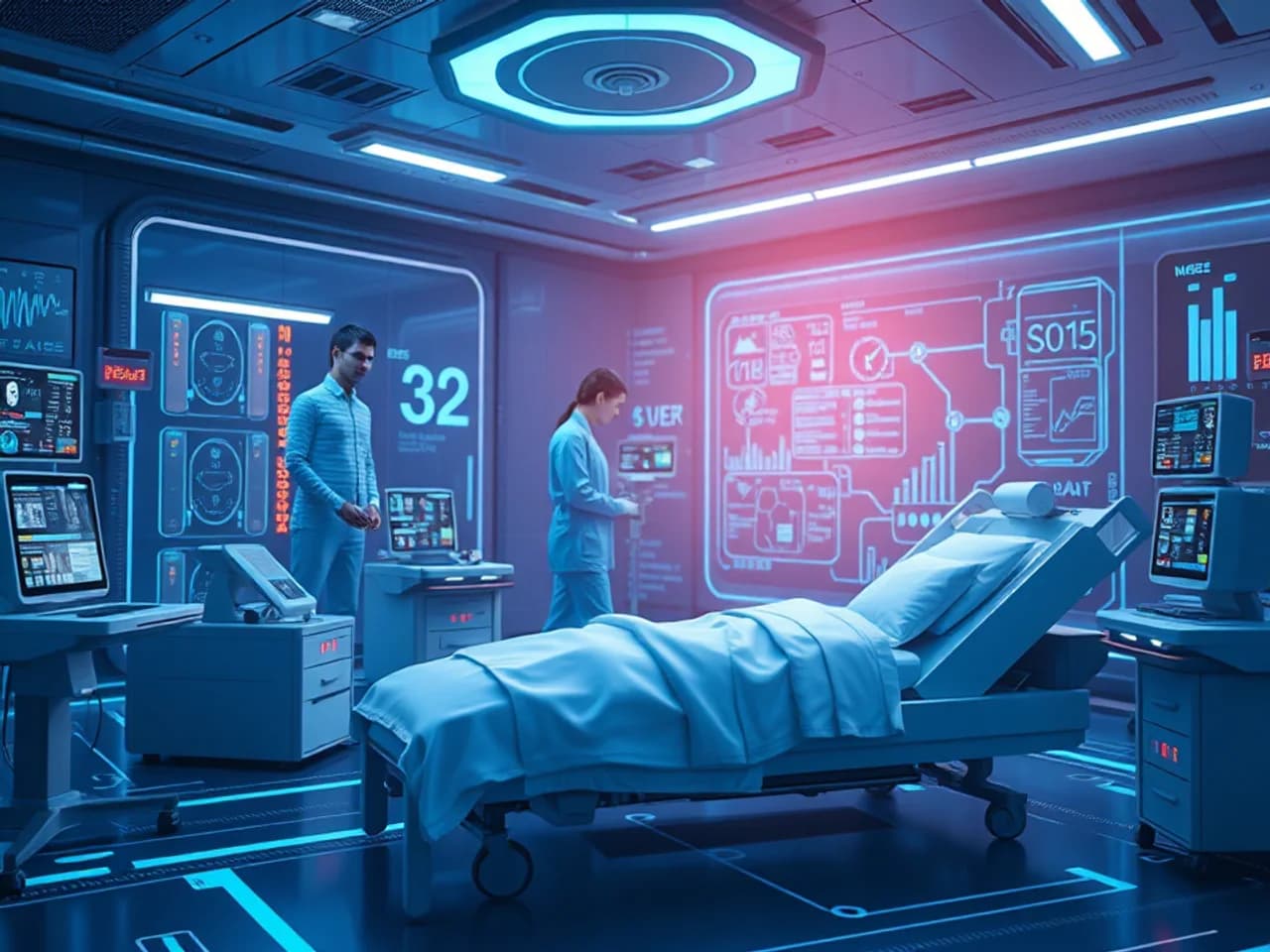
About Remote Patient Monitoring Platform
Understand the business value, delivery considerations and technical decisions involved in planning this service.
A Remote Patient Monitoring Platform supports an authorised healthcare programme that collects patient-generated measurements outside a conventional care setting, attaches trustworthy device and context information, presents trends, routes configured alerts to accountable teams and records follow-up. The platform should help qualified professionals work with remote data without pretending that a sensor stream is a diagnosis or continuous emergency service.
Skillonit can help an authorised healthcare organisation define programme boundaries, build patient and staff applications, integrate approved connected devices, model measurement provenance, implement rules and queues, connect EHR and telemedicine workflows, migrate data, test risk controls, deploy infrastructure and prepare support and downtime runbooks. Skillonit is not represented here as a healthcare provider, monitoring centre, emergency service, medical-device manufacturer, regulator, clinician or payer.
Software cannot guarantee device accuracy, signal detection, alert delivery, human response, regulatory compliance, patient safety, uninterrupted service, adherence or clinical outcomes. Qualified healthcare professionals and authorised organisations remain accountable for patient selection, care plans, threshold and model approval, monitoring coverage, escalation, diagnosis, treatment, emergency instructions and device-use decisions.
This national/global authority page is a pre-publication draft. It remains in editorial_review, emits noindex,follow, and stays outside XML sitemaps until clinical-safety, medical-device, legal, privacy, security, accessibility, programme operations, interoperability, content, schema and technical reviewers approve it.
Direct answer
A Remote Patient Monitoring Platform is software that connects an enrolled patient, approved home measurement devices and an accountable care team through a governed workflow. A responsible system records enrolment and consent, links each device to the correct person, preserves measurement value, unit, time, source and quality, applies approved thresholds or models, routes alerts for human review, coordinates messages and care tasks, integrates relevant observations with clinical records, and maintains complete operational and audit evidence.
Typical deliverables include enrolment and eligibility workflows, consent evidence, patient and caregiver accounts, device fulfilment and onboarding, Bluetooth or gateway connectivity, measurement ingestion, unit normalisation, provenance and data-quality rules, trend views, reviewed alerts, escalation queues, care plans, questionnaires, tasks, messaging, adherence context, FHIR/EHR adapters, telemedicine handoff, dashboards, migration tools, automated tests, security controls, observability and incident or downtime runbooks.
Remote monitoring supports care between encounters; it does not provide diagnosis or guaranteed emergency response. A patient may use a portal or mobile app to submit data, but Patient Portal Development covers broader self-service records and administration. Telemedicine Platform Development covers live or asynchronous remote clinical encounters. These capabilities can connect without being treated as one service.
Programme scope and monitoring boundaries
Remote monitoring is an operating model, not just an app and a device. The programme charter names the healthcare entity, clinical owner, patient population, inclusion and exclusion criteria, monitored measurements, device types, monitoring hours, response model, communication channels, escalation partners, emergency exclusions, discharge criteria, reimbursement assumptions and jurisdictions.
Common programmes include blood-pressure monitoring, weight and symptom review after discharge, glucose trends, oxygen-saturation monitoring, temperature, activity or disease-specific questionnaires. Each has different evidence, device, cadence, risk and professional requirements. A generic “vitals dashboard” should not be released across conditions without qualified assessment.
The patient must understand that a measurement can be delayed, absent, incorrect or not reviewed immediately. Onboarding and every urgent-looking flow state what the service monitors, when staff review it, what alerts mean, how to report symptoms and how to access local emergency services.
The monitoring team needs sufficient capacity, training and authority to handle the configured workload. Software cannot compensate for an unstaffed queue. Operations design includes coverage, handover, absence, escalation, language and patient accessibility.
The platform should identify excluded uses, including autonomous diagnosis, automatic medication changes, continuous life-critical monitoring, emergency dispatch or unvalidated risk prediction unless separately designed, regulated and governed. Consumer wellness data should not be presented as clinical evidence without defined quality and use.
Success measures can include enrolment completion, measurement coverage, device connectivity, alert review, task closure, patient experience and operational burden. Clinical-outcome or cost claims require rigorous verified evidence and should not be promised during product development.
Remote Patient Monitoring Platform use cases
These examples are illustrative and do not assert actual Skillonit deployments, health outcomes, detection performance, response times or reimbursement.
Blood-pressure programme. An enrolled patient uses an approved cuff at a configured cadence. Measurements include device, posture or context where collected, unit, time and transmission delay. Thresholds create review tasks; clinicians decide interpretation and action.
Post-discharge weight and symptom tracking. A patient records weight and a short questionnaire after discharge. The platform displays changes and missing submissions to a care team. It cannot determine fluid status or readmission need by itself.
Home oxygen-saturation monitoring. An approved pulse oximeter sends readings with signal-quality context where supported. The patient receives clear emergency instructions. A low or normal value does not replace symptom assessment.
Diabetes monitoring integration. Glucose data can arrive from a connected meter or another provider. Units, timezone, meal or medication context and device status are preserved. Treatment recommendations remain with qualified professionals and separately reviewed functionality.
Maternal or high-risk programme. Blood pressure, symptoms or other measurements route under a specific clinical protocol. Eligibility, urgency, maternity pathways and emergency advice require specialised review rather than reuse of a general chronic-care programme.
Recovery after procedure. Patients answer wound, pain, temperature or mobility questions and can upload an image where approved. The system routes evidence; it does not diagnose infection from a photo without an authorised, validated function.
Older-adult caregiver support. A patient grants a caregiver limited access to device setup, reminders or trends. The caregiver’s access is separate and auditable. Clinical messages and sensitive information follow scope.
Rural low-connectivity monitoring. A device or mobile app stores encrypted readings offline and uploads later. Data remains labelled with measurement and receipt times so delayed values do not look live.
Care-management queue. Nurses or coordinators review assigned panels, trends, alerts, missed measurements and open tasks with defined coverage. Queue metrics support staffing and quality but do not guarantee a response.
Enrolment, eligibility and consent
Enrolment begins from an authorised referral, order or programme invitation. It records referring organisation, programme, intended measurements, clinical owner, start, expected duration, patient contact, language, accessibility needs, device plan and evidence.
Eligibility criteria can include diagnosis, risk, device compatibility, connectivity, ability to use equipment, residence and payer rules where lawful. The system can present and validate configured criteria, but a qualified owner decides inclusion and alternatives.
Digital inclusion is part of suitability. Lack of smartphone, broadband, dexterity, vision, language or confidence should prompt an alternative device, caregiver assistance, telephone workflow or another care route—not a hidden denial.
Consent or another approved basis for monitoring is documented by purpose, measurements, recipients, devices, communication, data use, risks, service hours, withdrawal and emergency boundaries. Consent is not one universal privacy checkbox.
Patient identity is matched to the clinical record conservatively. Similar names, shared contacts and temporary identifiers route to review. The programme account, clinical patient and device assignment remain distinct linked records.
Baseline assessment can include contact verification, device readiness, technique training, first supervised measurement and understanding of escalation instructions. A clicked tutorial does not prove competence.
Programme state includes invited, onboarding, active, paused, temporarily unreachable, discharged, withdrawn and closed. Pauses identify whether data collection, review or both are suspended and what patient instructions apply.
Withdrawal stops future processing according to policy while retaining required care and audit records. Programme discharge reconciles devices, open alerts, tasks, messages and clinical handoff.
Device onboarding, assignment and identity
The device catalogue records manufacturer, model, hardware and firmware, identifiers, measurement capabilities, units, connectivity, market, regulatory status evidence, instructions, accessories, calibration needs, contraindications and support lifecycle. Catalogue presence does not prove suitability for every patient.
Device assignment links a physical device or approved patient-owned device to patient, programme, measurement type, start, expected return and configuration. Shared or household devices require stronger user selection and attribution.
Pairing through Bluetooth Low Energy, Wi-Fi, cellular gateway or vendor cloud verifies expected device identifiers and transport security where supported. A nearby device should not pair merely because it broadcasts a compatible service.
Onboarding provides accessible, language-appropriate setup, measurement technique, cleaning, charging, storage, error and support instructions. Clinical and manufacturer instructions govern use. The app should not alter manufacturer guidance casually.
First-read verification can compare device, patient and plausible transmission without claiming measurement accuracy. Training or clinician-supervised readings may be required under programme protocol.
Firmware and vendor-cloud changes can alter data, connectivity or device behaviour. The platform records versions where available, monitors provider notices and tests supported changes before broad rollout.
Lost, damaged, recalled, returned and reassigned devices have explicit states. Reassignment clears local patient data securely and prevents new readings from linking to the previous patient. Return logistics and refurbishment evidence remain auditable.
Patient-owned devices may have unknown maintenance, accuracy and data ownership. The programme defines which models and versions are acceptable and labels lower-confidence sources.
Measurements, units and provenance
Every measurement needs patient, programme, device, metric, value, unit, measurement time, receipt time, source, method or body site where relevant, quality flags and transformation history. Displaying only value and date is not enough.
Measurement time and upload time are distinct. Offline readings may arrive hours or days later. Alerts should not treat a stale value as current without approved logic. Timezone changes and daylight-saving transitions are tested.
Unit normalisation uses explicit, versioned conversions. Glucose, temperature, weight, pressure and other measures can use market-specific units. The original value and unit remain preserved. Rounding happens only for defined display or calculation.
Manual entry is labelled separately from connected-device data. Patient correction creates a new version or entered-in-error state without rewriting the original. The programme determines whether manual data can drive alerts.
Composite readings such as blood pressure preserve systolic, diastolic, pulse and shared context. An observation pair should not be split across different timestamps or devices accidentally.
Provenance records vendor cloud, gateway, mobile app, data parser and transformations. When a vendor supplies already processed metrics, the platform distinguishes them from raw sensor data.
Measurements can have preliminary, accepted, invalid, duplicate, corrected or unavailable status. A failed data-quality check should not disappear from monitoring; it creates a visible issue and may trigger repeat instructions or support.
The clinical record may receive selected observations, summaries or reports rather than every raw reading. The governance model decides what becomes part of the longitudinal chart and how corrections propagate.
Data quality and context capture
Data-quality controls can detect missing units, impossible values, repeated timestamps, device error, transmission gaps, duplicates, sudden discontinuity and unsupported firmware. They identify anomalies, not clinical truth.
Plausibility ranges are broader than clinical thresholds and should not classify a patient as well or unwell. A value outside device capability can be invalid; a physiologically unusual value can still be real and urgent.
Technique matters. Blood-pressure cuff position, rest, movement, oxygen-sensor fit, perfusion, nail products, scale placement, clothing, meal timing or device cleaning can affect readings. The app can collect context and guidance without blaming patients.
Patient-reported symptoms, medication changes, activity, meals or comments can help professional interpretation. They remain patient-reported, time-stamped and separate from verified chart facts.
Missingness has many meanings: device failure, travel, admission, programme pause, patient choice, death, connectivity, misunderstanding or lost device. The system should not call all missing data “non-adherence.”
Duplicate resolution compares device, timestamp, vendor event and value. Identical consecutive readings can be genuine. Rules preserve originals and the chosen canonical representation.
Quality dashboards show coverage by device, app version, network, site and time without exposing patient data unnecessarily. Differences can identify product or access barriers rather than patient behaviour.
Data-quality rule changes are versioned, tested and monitored. Historical reports should indicate which rule classified each reading.
Thresholds, rules and model boundaries
Thresholds belong to a defined programme, measurement, unit, patient or cohort, time context, persistence rule and escalation path. Qualified clinicians approve defaults and patient-specific changes. Engineering teams should not select values from convenience.
Rules can consider a single reading, repeated readings, rate of change, symptom combination, missing data, device status or care-plan context. The rule output is a monitoring task or alert, not a diagnosis.
Patient-specific parameters have author, clinical rationale, start, expiry and review. A changed care plan creates a new version. Old measurements retain the rule version applied at the time.
Hysteresis, debounce and repeat suppression can reduce alert noise, but they can also delay attention. Their clinical impact requires review. Quiet hours should not suppress urgent pathways improperly.
Risk models or machine learning require intended use, training population, features, performance, calibration, subgroup review, explainability, validation, monitoring and regulatory assessment. A model score must not become an autonomous treatment change.
Rules and models should expose input completeness and uncertainty. A trend based on three delayed readings is different from a continuous stream. Reviewers can inspect the source data and challenge the output.
The platform tracks false-positive, missed or unhelpful alerts only when there is an approved outcome definition and review. No retrospective metric proves future detection or safety.
Change control covers rule logic, model artefact, threshold, severity, routing and patient instructions. Release includes shadow testing where appropriate, approval and rollback.
Alert routing, review and escalation
An alert record includes patient, programme, triggering evidence, rule or model version, severity, created time, data age, assigned queue, status and actions. It never overwrites the underlying measurement.
Queue assignment considers organisation, care team, geography or service only under approved rules. Staff coverage, holidays, handover and escalation are operational configurations with effective periods.
Human review should be substantive. The reviewer sees trend, measurement provenance, data quality, symptoms, recent contacts and care plan. They can dismiss with reason, request repeat, contact the patient, escalate to a clinician or invoke an emergency protocol within authority.
Acknowledged, reviewed, actioned and resolved are distinct. Opening a notification does not mean clinical review. Resolution records the actual outcome or next step without claiming the patient is safe.
Escalation can use secure message, phone, telemedicine handoff, on-call service or local emergency route. The correct path is programme and jurisdiction specific. The platform cannot dispatch emergency services unless that function is explicitly authorised and operated.
If the patient is unreachable, workflows record attempts, channels, safe-contact restrictions and next action. A lack of response does not prove refusal or clinical stability.
Alert fatigue is monitored through volume, repeat, acknowledgement, outcome and staff feedback. Threshold changes require clinical governance; staff should not mute an entire population informally.
Patients receive accurate messages that avoid false reassurance or alarm. “Your reading has been sent for review” is different from “a clinician has reviewed your reading.”
Care plans, tasks and communication
The monitoring care plan identifies goals, measurement schedule, devices, thresholds, questionnaires, education, responsible team, review cadence, escalation, start and end. It supports the professional care plan but does not replace clinical documentation where the EHR remains authoritative.
Tasks include device setup, training, measurement, questionnaire, data review, patient contact, appointment, medication reconciliation or equipment return. Each has owner, due time, status, dependency and evidence.
Patient reminders follow cadence, timezone, preferences, language and accessibility. Missing measurement reminders should be supportive and allow pause, hospitalisation, travel or device problem context.
Messaging states intended use, monitored hours and emergency exclusions. Topics route to device support, clinical team, scheduling or programme administration. A technical support agent should not interpret readings.
Telemedicine handoff packages the relevant monitoring summary, recent values, alerts, symptoms and device context into an authorised visit. The telemedicine system manages the encounter; the monitoring platform preserves the handoff.
Education content has clinical owner, audience, source, language, version and review date. It distinguishes general technique or condition information from personalised instructions. Generated content requires qualified review.
Task and message completion are evidence of workflow, not patient outcome. Staff notes identify whether they are operational, patient-reported or clinical and follow source-system policy.
Adherence and patient context
Adherence should be defined narrowly: for example, the proportion of scheduled measurement opportunities with accepted data during an active programme. It is not a moral judgement or proof that a patient followed a treatment plan.
The denominator excludes documented pauses, hospitalisation, device outage, training and other approved conditions. Delayed uploads are attributed to measurement time, not assumed missed.
Patients can report barriers such as device discomfort, connectivity, cost, caregiving, work, literacy or symptoms. The programme can offer support or an alternative. Barrier data is sensitive and should not be used for unrelated scoring.
Gamification or streaks may motivate some users but can shame or mislead others and encourage repeated unnecessary measurements. Clinical and patient-design review should determine suitability.
Caregiver reminders require current proxy scope and patient preference. The system should not expose values or conditions through notification text unnecessarily.
Programme teams can analyse device and workflow equity by authorised groups and access factors. Differences prompt investigation of product barriers. They do not prove patient motivation or causal effect.
Adherence reports show data source, active dates, schedule version, exclusions and transmission lag. A device vendor’s proprietary adherence score should be labelled and validated before operational use.
Caregiver and proxy access
Caregiver access uses a separate verified identity linked to the patient, programme, functions and effective period. Credential sharing prevents accountability and should not be supported.
Authority may derive from patient delegation, guardianship or another lawful relationship. Evidence, scope and expiry follow jurisdiction and organisation policy. The platform does not decide capacity.
Scopes can include device setup, reminders, measurement entry, trend view, messaging or care tasks. Clinical notes and alerts may remain restricted. The caregiver context appears clearly on every action.
Revocation ends active sessions and tokens while preserving historical audit. A proxy relationship in the patient portal or EHR can be consumed when sufficiently current, but monitoring-specific scope may still be needed.
Minor and dependent-adult workflows require specialised confidentiality review. Age thresholds alone may not determine access to every programme or measurement.
Notifications check current scope at send time. A proxy who once assisted with setup should not continue receiving health alerts after authority ends.
Solution architecture
A maintainable architecture separates programme, patient and proxy identity, device registry, ingestion, observations, quality, rules, alerts, care workflow, messaging, interoperability and audit. This can be implemented as modules or services, but transaction ownership and failure states remain explicit.
The device registry owns assignments and lifecycle. Ingestion adapters translate vendor, Bluetooth, cellular or manual inputs while preserving originals. An observation service normalises units and records provenance without erasing source values.
A quality service applies versioned technical checks. A rules service evaluates approved thresholds or models and emits explainable events. The alert workflow owns assignment, review and escalation; it does not alter measurements.
Programme and care-plan services define schedule and ownership. A task service coordinates device, patient and team actions. Messaging and notification services apply safe-contact and proxy policy.
FHIR and EHR adapters select which observations, reports, tasks or notes cross the boundary. An audit stream records access and actions independently. Analytics receives minimised governed events.
Mobile apps support secure offline storage and explicit synchronisation. Cloud or on-premise services use regional redundancy and provider isolation according to residency and operating needs. Device-vendor outages should not compromise unrelated programmes.
Administrative configuration—programmes, device models, thresholds, routing and content—uses maker-checker, effective dates, tests and rollback.
Integrations and data flows
Device integration may occur through direct Bluetooth, mobile SDK, cellular gateway, vendor cloud API or standards interface. Each contract defines identifiers, units, timestamps, quality flags, retry, correction, firmware and support.
Bluetooth apps handle pairing, permission, background operation, battery, clock and duplicate upload. Mobile operating systems can restrict background sync, so the interface shows pending data rather than promising continuous transmission.
Vendor cloud APIs require tenant and patient mapping, consent, token lifecycle, webhooks, polling, rate limits and data export. The platform should not depend on undocumented fields or assume vendor availability.
FHIR can represent Patient, Device, Observation, QuestionnaireResponse, CarePlan, Task, Communication and related resources. Partner implementation guides, profiles, codes, consent and corrections determine useful interoperability.
EHR integration can receive programme referrals and clinical context and return selected observations, monitoring summaries, notes and task outcomes. The EHR often remains authoritative for the legal clinical record. The platform avoids flooding it with every raw transmission unless governed.
Telemedicine integration creates an appointment or encounter handoff with context. The monitoring alert and telemedicine visit remain separately auditable.
Identity, messaging, support, fulfilment, logistics and payer systems receive minimal information. Device shippers should not receive diagnosis or measurements unless required and authorised.
All integrations define authentication, encryption, schema, timeout, idempotency, correction, reconciliation, monitoring, outage and termination. Unknown provider state is shown honestly.
Privacy, consent and audit
Remote data can reveal routines, location, sleep, activity, condition and care relationships. Data minimisation starts with the programme purpose. Collecting every sensor simply because a device offers it is not justified.
Consent or another lawful basis is documented for device and platform processing, care-team access, caregiver access, vendor cloud, communication, clinical-record transfer and secondary use. Withdrawing one optional use should not erase required care evidence.
Device and app permissions are granular. Bluetooth does not require continuous location collection when platform capabilities permit a narrower design. Background and notification behaviour is explained.
Retention varies for raw device data, normalised observations, alerts, messages, clinical notes, audit and telemetry. The legal clinical record may contain a governed summary while raw data uses another schedule.
Audit includes enrolment, consent, device assignment, measurement view, rule change, alert review, contact, proxy grant, export and administrative action. Events record actor, patient, programme, object, action, time and source.
Patient rights requests use verified workflows. Correction can mark a manual reading entered in error or add context; it should not alter device evidence silently. Clinical record amendments follow the EHR process.
Product analytics and crash tools can accidentally receive health data. Payloads, screen recording and session replay are prohibited or tightly governed. Synthetic monitoring avoids patient measurements.
Security
The threat model covers devices, mobile apps, Bluetooth, gateways, vendor clouds, patient accounts, caregiver accounts, clinician portals, APIs, EHR interfaces, notifications, support and administrative configuration.
Device identity uses serial, cryptographic identity where available, assignment and patient binding. A transmitted device identifier alone may be spoofable and should not be treated as proof of physical possession or measurement validity.
Mobile apps use secure storage, platform keychains, transport security, tamper and integrity controls appropriate to risk, and remote session revocation. Sensitive measurements do not appear in lock-screen notifications by default.
Authentication supports accessible multifactor methods. Clinician and administrator roles require stronger controls. Authorisation considers organisation, programme, assigned panel, proxy and action on every API.
Data is encrypted in transit and at rest with controlled keys. Secrets rotate and remain outside source and logs. Vendor tokens are scoped by environment and programme where possible.
APIs enforce schema, object access, rate limits and idempotency. Device payloads are untrusted input. Webhooks use signatures and replay windows. Firmware or configuration packages require integrity validation.
High-risk changes to thresholds, models, alert routes, programme hours and device catalogue use maker-checker. Audit records resist ordinary administrator alteration.
Monitoring detects credential attacks, unusual patient access, device reassignment, impossible upload volume, configuration changes and data exfiltration. Incident response preserves evidence, contains scope, assesses patient and device impact, communicates safely and invokes manual workflows.
Accessibility and inclusive monitoring
Patient, caregiver and staff experiences should target WCAG 2.2 AA where applicable. Device setup, measurement, chart, alert and message journeys need keyboard, screen-reader, magnification, voice and switch compatibility.
Charts include text summaries, data tables and descriptions rather than relying on colour or shape. Threshold zones are explained in accessible text and should not look like diagnosis.
Pairing and measurement instructions use short steps, clear language, captions, transcripts and meaningful images. Haptic, sound and visual feedback offer alternatives. Tiny device displays may require a companion accessible channel.
Time limits warn and preserve safe progress. Error messages distinguish device, connection, identity and measurement problems and provide supported next steps.
Language support covers interface, programme instructions, emergency boundaries, notifications and support. Machine translation should not publish unreviewed clinical instructions. Units and date formats follow locale while preserving the original.
Digital exclusion is treated as a programme-design issue. Provide cellular gateways, telephone reporting, caregiver assistance, in-person training or another care path where approved. Lack of a smartphone should not be silently interpreted as non-adherence.
Accessibility settings and support requests do not influence clinical alerts or risk scores. User research includes patients with disability, low health literacy and unstable connectivity.
Safety and hazard analysis
Hazards include wrong patient-device binding, wrong unit, stale reading, missed transmission, false alert, missed alert, unavailable queue, wrong proxy, delayed escalation, misleading reassurance and inappropriate treatment based on incomplete data.
Each hazard has initiating conditions, affected users, foreseeable sequence, controls, verification evidence, monitoring and residual-risk decision by qualified owners. The analysis covers device, software, network, people and operation.
Patient and device context remain visible. Reassignment requires strong confirmation. Measurement time and receipt time are displayed. Unit conversions are tested independently.
Alerts should never state that a patient is safe. Normal readings do not exclude symptoms or conditions. Persistent emergency guidance tells patients to seek appropriate care based on symptoms and local instructions.
Human factors testing includes interruption, alert volume, multiple similar patients, delayed data, caregiver use and device errors. Reviewers need enough evidence to recognise a faulty or stale reading.
Software or model changes can alter regulated intended use. Medical-device and software-as-a-medical-device assessment is jurisdiction specific. This page makes no classification, clearance, approval or certification claim.
Incident and near-miss reporting links measurement, device, rule, alert, reviewer and patient communication. Corrective actions can affect hardware, app, workflow, staffing, training or policy.
Offline and low-connectivity operation
Mobile apps can store approved measurements in encrypted local storage with patient, device, time and sync state. The interface makes clear when data has not reached the monitoring service.
Conflict handling preserves multiple readings and source events. A later upload should not replace an earlier manual value merely because it is connected. Duplicate resolution remains traceable.
Device clocks can drift or reset. The platform records device time, phone or gateway time and server receipt where available. Uncertain chronology is flagged.
Background sync uses retry and backoff without draining battery or data plans unnecessarily. Patients can trigger manual sync and view the last successful transfer.
SMS or telephone alternatives may collect limited data under approved identity and privacy controls. They should not expose sensitive readings in unsecured messages unless the programme specifically approves it.
Clinical teams see connectivity status and last accepted measurement. A missing-feed alert should route to device or care support according to context, not automatically to emergency escalation.
Offline instructions include when not to wait for synchronisation and how to seek care. The product cannot guarantee that queued data will be reviewed after reconnecting within a specific period.
Performance and Core Web Vitals
Performance budgets cover device ingestion, normalisation, rule evaluation, alert creation, queue display, trend view, message and EHR transfer. End-to-end latency includes vendor clouds and mobile networks.
Public and patient pages should target current Core Web Vitals guidance for Largest Contentful Paint, Interaction to Next Paint and Cumulative Layout Shift on representative devices. These are engineering targets, not ranking or clinical-outcome promises.
Streaming does not make data real time automatically. Dashboards display last update and known lag. Polling and subscriptions use rate limits and backpressure.
Large measurement histories use aggregation and progressive views, but clinicians can inspect underlying source values. Aggregation method and timezone are clear. Charts should not hide anomalies through smoothing.
Load tests model morning measurement bursts, vendor webhook replay, campaign onboarding, alert spikes and EHR backlog. Alert workflow has protected resources so analytics or export does not delay review.
Observability uses privacy-minimised metrics, traces and synthetic devices. Service objectives identify measurement receipt, processing and queue availability separately. Provider failures have dedicated status.
Resilience and downtime
Business-impact analysis identifies which programmes require rapid continuity and which can safely pause. The monitoring operation owns decisions during device, app, cloud, EHR, identity or notification outage.
Durable ingestion prevents transient failure from dropping data, but delayed information may no longer be actionable. Rules evaluate data age. Recovery should not generate a flood of misleading urgent alerts from stale readings.
Staff downtime views can provide approved patient, programme, recent trend, open alert and contact information with a visible snapshot time. They are access controlled and reconciled later.
Manual contact and documentation procedures preserve patient, reason, action, actor and time. Recovery links the original evidence to the digital workflow.
Redundant regions, queues and databases reduce some failure modes. Device vendors, cellular networks and patient power remain dependencies. Service levels state assumptions and are not uptime or response guarantees.
Backups are encrypted, isolated and restoration-tested for enrolment, device assignments, observations, rules, alerts, messages and audit. A database restore without queue and provider reconciliation is incomplete.
Exercises cover vendor cloud outage, mobile release defect, EHR disconnection, alert service failure, identity outage and cyber containment. Lessons update both technology and staffing procedures.
Technical SEO
The canonical national/global URL is /services/remote-patient-monitoring-platform/. The rendered page should emit one matching canonical plus consistent English language, title, description, H1, Open Graph and breadcrumb fields. Schema may describe only visible Organisation, WebSite, breadcrumb, Service and FAQ content.
This draft stays noindex,follow and outside XML sitemaps. Publication requires human editorial and healthcare review, a crawlable successful response, rendered metadata and schema validation, mobile and accessibility testing, internal-link QA, image optimisation and accurate lastmod after substantive approval.
Hreflang is omitted because no fully translated and reviewed equivalent is asserted. A future market route needs verified medical-device, privacy, emergency, programme, language, unit and support context. x-default is valid only for a real reviewed global/default experience.
Country and city routes remain separate, non-indexable and sitemap-ineligible until verified programme availability, local emergency and healthcare context, language, units, timezone coverage, applicable law and device status, unique FAQs, conversion path, similarity approval and human review exist. No route may invent a local monitoring team, office, licence or response promise.
Images should be original diagrams or neutral illustrations, not fabricated patient charts or device screens. Alt text should describe the content, such as “Remote monitoring flow linking patient device, data quality, reviewed alert, care task, EHR and audit.”
Discovery-to-launch delivery process
1. Programme discovery. Define clinical owner, population, measurements, devices, coverage, escalation, emergency exclusions, caregiver roles, reimbursement assumptions and jurisdictions.
2. Patient and staff research. Observe onboarding, measurement, alert review, communication and support across disability, language, connectivity and caregiver contexts.
3. Data and hazard design. Model device, observation, provenance, quality, rule, alert and task. Identify hazards and accountable controls before selecting technology.
4. Architecture and integration contracts. Define device, Bluetooth, vendor, EHR, FHIR, telemedicine, identity, messaging and audit boundaries plus downtime and reconciliation.
5. Incremental implementation. Deliver one bounded programme and device family end to end. Use simulated devices and patients, version configuration and keep human decision points explicit.
6. Independent validation. Clinical, device-regulatory, safety, privacy, security, accessibility and operational reviewers challenge the product. Findings affect release.
7. Migration and pilot. Move eligible records carefully, validate device assignment and run a controlled pilot with trained staff and supported patients.
8. Controlled deployment. Expand by programme or site with capacity monitoring, alternative channels, rollback and incident coverage.
9. Stabilisation and governance. Review data quality, alert load, device support, accessibility, patient feedback and incidents. Assign lifecycle ownership.
Each gate produces evidence. Software completion does not establish monitoring safety, clinical benefit, medical-device approval or compliance.
Migration and validation
Migration inventory covers patients, programmes, care teams, consent, devices, assignments, measurements, questionnaires, thresholds, alerts, tasks, messages, proxy relationships, content and audit.
Patient matching is conservative. Device assignments reconcile serial, patient, programme and active dates. Old or unknown assignments are suspended rather than copied into live ingestion.
Measurement migration preserves original value, unit, device, time, receipt, status and transformations. Historical readings should not be re-evaluated through current rules without a separately documented purpose.
Threshold and care-plan migration retains author, approval, effective period and patient-specific overrides. Unknown provenance routes to review before activation.
Open alerts, unresolved messages, device support cases, programme pauses and pending discharges need cutover owners. In-flight vendor data reconciles by stable event identifiers.
Dry runs produce counts, link checks, unit comparisons, trend samples and clinician review. Security and privacy owners test patient and proxy access.
Legacy archives remain accessible under policy. Decommission follows clinical, legal and technical acceptance. Redirects and app updates avoid patient confusion or phishing opportunities.
Testing
Unit tests cover device assignment, timestamps, unit conversion, duplicate handling, quality rules, thresholds, alert state, proxy scope, notifications and audit.
Device contract tests use simulators and supported hardware for pairing, disconnect, battery, clock reset, firmware, invalid values, delayed upload and vendor correction. Passing integration tests does not prove device accuracy.
Golden observation cases independently verify source preservation, conversions, aggregation and trend display. Boundary tests exercise thresholds and persistence under clinically approved examples.
Rule and model tests cover missing inputs, uncertainty, version, explanation, suppression, data age and safe fallback. Clinical reviewers validate intended behaviour without treating test coverage as proof of detection.
Workflow tests cover enrolment, consent, first reading, abnormal value, repeat, unreachable patient, telemedicine handoff, proxy use, programme pause, discharge and device return.
Integration tests simulate FHIR/EHR duplicate, delayed, corrected and unavailable states; messaging failure; identity outage; and vendor webhook replay. Reconciliation confirms source and target.
Security tests cover patient-object access, device spoofing, caregiver escalation, account recovery, API enumeration, malicious payload, configuration tampering and export. Privacy tests cover consent, notifications, analytics and retention.
Accessibility tests combine automation, keyboard, screen reader, zoom, contrast, charts, device setup and low-connectivity tasks. Performance and resilience tests cover ingestion bursts, alert spikes, vendor outage and restore.
User acceptance includes patients, caregivers, clinicians, nurses, device support, privacy, security, accessibility and operations. Passing tests does not guarantee clinical outcome, safety or uptime.
Deployment
Development, device integration, training, validation and production use separate identities, vendor tenants and data. Simulated devices and synthetic patients support safe testing.
Immutable release packages include apps, device catalogue, data mappings, rules, alert routes, care content, roles, interface mappings and database migrations. Promotion verifies approvals and checksums.
Canary release can limit a programme, site or invited cohort while preserving consistent clinical ownership. Feature flags cannot bypass consent, patient binding, alert review or emergency boundaries.
Cutover coordinates care operations, device fulfilment, support, EHR, telemedicine and vendors. Entry, abort and manual-fallback criteria are explicit. Rollback accounts for data already measured, uploaded and reviewed.
At-launch monitoring checks enrolment, pairing, data lag, quality failures, alert queues, messages, EHR transfer and support load. Staffing capacity is observed alongside software metrics.
Incident controls can pause new enrolment, a device family, rule, notification or integration independently. Patients receive approved alternative instructions. Stabilisation exits through accountable acceptance.
Timeline
A bounded programme with one device family and mature EHR interfaces can take several months. Multi-condition, multi-device or multi-country platforms generally require phased delivery over longer periods because device validation, clinical governance and operations are substantial.
Timeline drivers include programmes, populations, devices, vendor APIs, mobile apps, rules or models, EHR and telemedicine integration, proxy, languages, accessibility, privacy, device-regulatory review, staffing, migration and pilot evidence.
Device availability, vendor certification, payer contracting and regulatory review are external dependencies. Engineering cannot guarantee their dates or outcomes.
Plans should distinguish software completion, device and interface validation, clinical approval, staff readiness, pilot completion and authorised production use. Compressing hazard review or pilot support creates risk.
Cost
Cost depends on whether the work integrates an existing device platform, builds a focused monitoring programme or creates a multi-tenant, multi-device product. Device procurement and support can be as important as software.
Major factors include patient and proxy identity, mobile apps, device SDKs, ingestion, provenance, data quality, rules, alerts, care workflow, EHR, telemedicine, accessibility, security, privacy, migration, validation and operations tools.
External costs can include devices, cellular plans, fulfilment, vendor-cloud APIs, messaging, identity, EHR interfaces, cloud, security testing, clinical validation and device-regulatory consultation. Estimates separate these.
Build-versus-buy analysis covers device ecosystem, data rights, clinical workflow, model transparency, EHR portability, accessibility, vendor dependency, support and lifecycle cost. A platform licence does not transfer clinical and operational accountability.
Commercial proposals state assumptions, exclusions, client responsibilities, acceptance and operating costs. They must not promise detection, response time, outcomes, reimbursement, compliance, safety, accuracy or uptime.
Risks and mitigations
Wrong patient-device binding. Measurements attach to another chart. Mitigation: verified assignment, visible context and reassignment controls.
Wrong unit. A value is converted or displayed incorrectly. Mitigation: original preservation, versioned conversions and golden tests.
Stale data treated as live. Delayed upload creates urgency or reassurance. Mitigation: measurement and receipt times, age-aware rules and labels.
Device limitation hidden. Low-quality reading looks authoritative. Mitigation: flags, device provenance and professional review.
Alert fatigue. Excess tasks delay important review. Mitigation: governed thresholds, capacity monitoring and safe tuning.
Missed escalation. A notification receipt is treated as action. Mitigation: separate states, human acknowledgement and fallback.
Emergency misconception. Patients rely on monitoring instead of urgent care. Mitigation: persistent boundaries and local alternatives.
Proxy overreach. Caregiver sees restricted data. Mitigation: separate identity, scope, expiry and audit.
Vendor lock-in. Device cloud limits export or changes data. Mitigation: contracts, original-event storage, monitoring and exit plan.
Connectivity inequity. Low-bandwidth patients appear non-adherent. Mitigation: offline design, alternative channels and contextual measures.
Migration rule distortion. Old data is scored by new logic silently. Mitigation: historical provenance and explicit reprocessing.
Scaled location copy. City pages imply local monitoring staff. Mitigation: noindex, sitemap exclusion, verified facts and human review.
Decision criteria and comparisons
| Option | Suitable when | Strength | Main caution |
|---|---|---|---|
| Device-vendor platform | One device ecosystem dominates | Faster connectivity and support | Data rights and workflow portability may be limited |
| EHR-native monitoring | Existing clinical suite fits programme | Strong chart and task integration | Device and patient experience may be constrained |
| Custom RPM platform | Programmes and workflows are distinctive | Control over data and operations | Highest device, validation and support burden |
| Telemedicine extension | Monitoring mainly triggers visits | Coherent remote-care workflow | Continuous data and device operations may be shallow |
| Wellness application | Non-clinical self-tracking is intended | Lower clinical operating burden | Must not imply monitored medical care |
Evaluate intended use, device evidence, patient binding, provenance, quality, alert ownership, low connectivity, clinical integration, accessibility, security, migration, support and total cost. Dashboard appearance is not proof of a safe monitoring service.
Choose a partner that can explain delayed data, device reassignment, rule versions, unreviewed alerts, unreachable patients, proxy scope and vendor outage. Ask who staffs every queue and who approves every threshold or model.
Maintenance
Daily operations monitor device assignments, pairing, data lag, unit and quality exceptions, alert queues, message failures, EHR transfer, proxy changes, support load and backups.
Device catalogues, firmware support, mappings, thresholds, models, escalation routes and content change through clinical and technical review, tests, effective dates and rollback. Historical events retain their versions.
Periodic programme review examines alert burden, unresolved tasks, missingness, device support, incidents, patient complaints, accessibility and staff capacity. Findings can change workflow or programme scope.
Security maintenance includes mobile and cloud patches, dependency review, penetration testing, access review, token rotation and incident exercises. Privacy maintenance covers consent, retention, vendors and analytics.
Device lifecycle work monitors recalls, end of support, battery, replacement, loss and return. Quality trends can prompt a device-family pause without accusing patients.
Accessibility regression follows app, chart and device-provider changes. Low-connectivity tests use representative networks. Downtime drills include clinical and support teams.
New patient population, country, device, measurement or predictive model returns to intended-use, hazard and regulatory assessment. Maintenance does not bypass release governance.
Frequently asked questions
What is a remote patient monitoring platform?
It is software that connects enrolled patients and approved home devices to a governed healthcare workflow for measurement review, alerts, tasks, communication and clinical-record integration.
Is remote patient monitoring an emergency service?
Not by default. Programmes must explain monitoring hours, response limitations and local emergency alternatives. Software cannot guarantee detection or response.
Can the platform diagnose a condition?
This service does not promise autonomous diagnosis. Measurements, trends and alerts support qualified professional assessment under the programme’s intended use.
Does a connected device guarantee accurate readings?
No. Device design, maintenance, technique, environment, signal quality and patient factors affect data. Provenance and quality controls support review but cannot guarantee accuracy.
How are alerts handled?
Approved rules create traceable alerts assigned to staffed queues. Qualified users review evidence, contact patients or escalate according to protocol. A notification alone is not review.
What happens when the patient is offline?
Approved apps can store encrypted readings and synchronise later, with clear status. Programmes also need telephone, gateway or other alternatives and emergency instructions.
Can caregivers view measurements?
Yes, where a separately verified proxy relationship grants specific scope and dates. Access is revocable and audited.
Can RPM data be added to an EHR?
Yes, through FHIR or partner interfaces using a governed selection of observations, summaries and workflow records. Not every raw reading must become part of the chart.
Is RPM the same as telemedicine?
No. RPM collects and reviews measurements between encounters. Telemedicine delivers remote encounters. An alert can trigger a telemedicine visit, but the workflows remain distinct.
Does the platform guarantee staff response times?
No. It can support service targets, queues, escalation and evidence, while actual response depends on the operated care service and circumstances.
How long does development take?
A focused programme can take months. Multiple devices, models, countries and EHRs extend the schedule. Discovery and a pilot produce a responsible range.
What is needed for an estimate?
Provide programmes, patients, devices, measurements, monitoring hours, alert protocols, staff model, EHR and telemedicine interfaces, languages, migration, privacy, safety and support requirements.
Start a Remote Patient Monitoring Platform discussion
Bring the programme charter, intended use, patient population, clinical and operational owners, device list, measurement protocol, alert and escalation model, EHR and telemedicine interfaces, proxy policy, connectivity profile, languages, migration, hazard work and support expectations. Skillonit can translate these into an architecture, data-provenance map, control register, phased backlog, validation plan and estimate.
The first output should identify who reviews data, when, with what authority, what the service cannot detect, how patients obtain urgent help, what happens during outage and which regulatory questions remain for qualified assessment.
Related services
- Telemedicine Platform Development for remote clinical encounters and communications.
- Patient Portal Development for patient records, messages, forms and self-service access.
- Electronic Health Record Development for longitudinal clinical records and care exchange.
- Electronic Medical Record Development for organisation-centred chart workflows.
- Hospital Management System Development for hospital-wide operations and departmental coordination.
- Healthcare Software Development for broader health technology programmes.
National/global and future location routes remain separate. No country or city page becomes indexable without verified local programme availability, substantial differentiation and human approval.
Editorial source notes
These primary and authoritative references guide qualified review. Inclusion does not claim compliance, approval, device accuracy, safety, clinical benefit or endorsement; reviewers must confirm current versions and applicability.
- U.S. Food and Drug Administration, Digital Health Center of Excellence — official United States context for qualified digital-health and device review.
- European Commission, Medical Devices sector — official EU context for qualified medical-device regulatory assessment.
- HL7 FHIR Devices Module — primary healthcare interoperability specification for device and measurement-related resources.
- HL7 FHIR Clinical Reasoning Module — primary specification context for governed plan and decision-support exchange.
- U.S. Department of Health and Human Services, HIPAA Security Rule — official United States security material where applicable.
- European Union General Data Protection Regulation on EUR-Lex — official EU legal text for qualified privacy review.
- World Wide Web Consortium, Web Content Accessibility Guidelines 2.2 — primary accessibility standard for patient, caregiver and staff experiences.
- NIST Cybersecurity Framework 2.0 — primary cybersecurity governance and risk-management reference.
Recommendations on this page—such as preserving source measurements, separating measurement and receipt time, requiring staffed human alert review, using explicit emergency exclusions, supporting offline status, and versioning thresholds and device assignments—are engineering and governance recommendations. Clinical service, device, reimbursement, privacy, consent, patient-record and emergency obligations require qualified jurisdiction-specific review.